Program overview
Learning Arabic helps children expand their vocabulary, understand language patterns, and express their thoughts more clearly. Our program introduces Arabic step by step, helping children connect words, understand simple sentences, and use what they learn in everyday communication.
Children develop their skills at a pace suited to their current level, building a foundation they can continue to strengthen as they progress.
Program details
Who Is This Arabic for Kids Program For?
Our Arabic for Kids program is designed for children ages 4–10, including complete beginners and heritage speakers who hear Arabic at home but need support developing their language skills.
Lesson Schedule
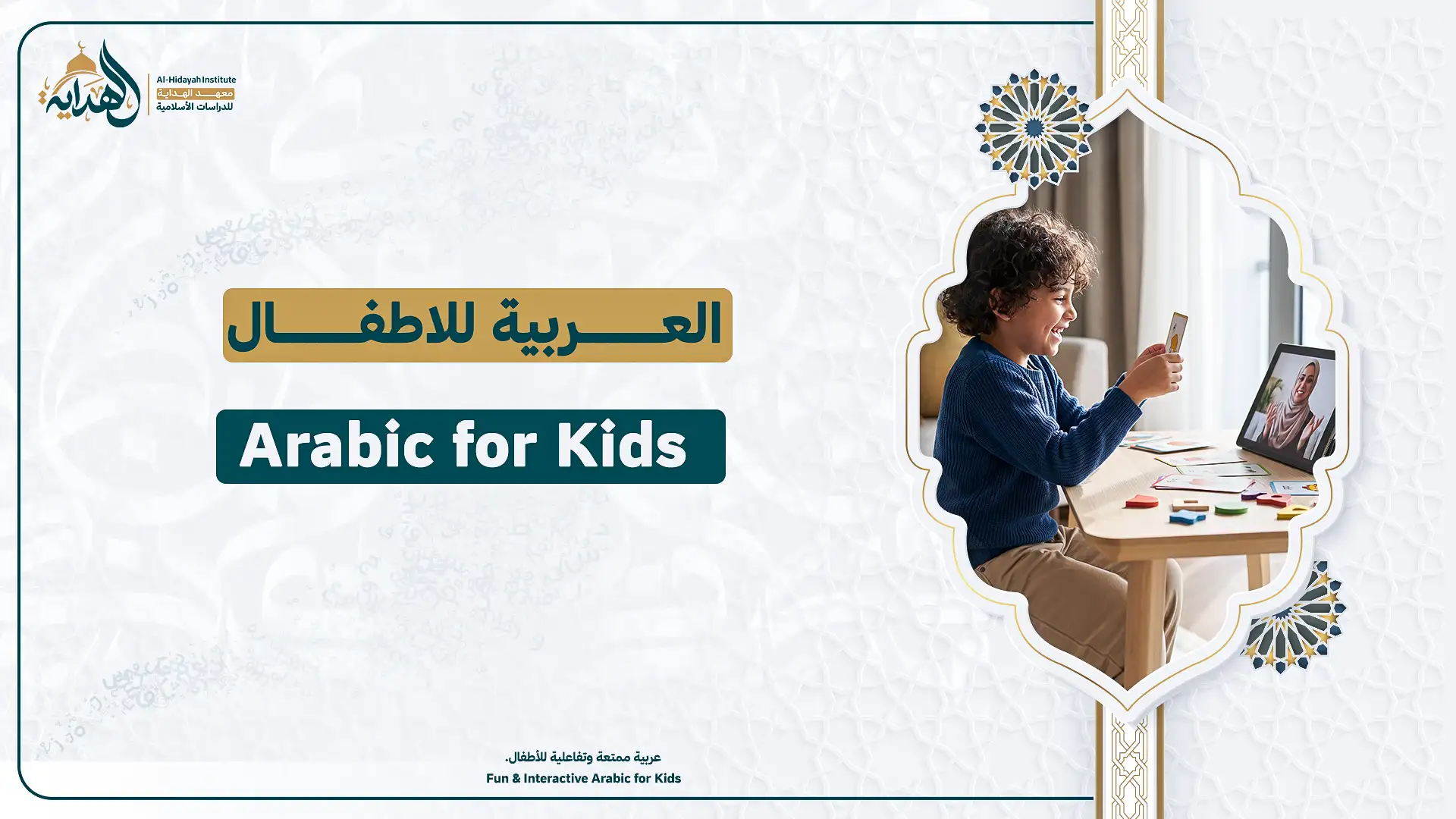
Children learn through live, one-on-one online lessons lasting 30–45 minutes, with two sessions per week and flexible scheduling to fit the family’s time zone.
Learning Goals & Progress Tracking
Children develop their Arabic skills across listening, speaking, reading, and writing. They gradually build vocabulary, learn to use words in simple sentences, and strengthen their ability to communicate in Arabic. Parents receive regular progress updates to follow their child’s development.
Program stages
Assess Your Child’s Level
We start by assessing your child’s current Arabic skills to understand their learning needs and plan suitable lessons.
Build Arabic Foundations
Children develop their vocabulary, learn basic grammar, and practice speaking while building their listening, reading, and writing skills step by step.
Apply Arabic in Everyday Communication
Children practice using Arabic words and sentences in simple conversations and reading activities, helping them apply what they learn in meaningful contexts.
Your lessons
Why this program matters
Our Arabic Classes for Kids help children build a foundation in Arabic from an early age. By developing listening, speaking, reading, and writing skills, children can grow their vocabulary, express themselves, and communicate more confidently in everyday situations.
Teaching approach
Our Arabic Lessons for Kids follow a step-by-step approach tailored to each child’s level. Through live, one-on-one online lessons, children expand their vocabulary, learn basic grammar, practice guided conversation, and explore Quranic vocabulary. Teachers explain new concepts in the child’s native language, helping young learners understand and apply what they learn in everyday communication.
What Our Arabic for Kids Lessons Include
- Live, One-on-One Arabic Classes for Kids with a certified teacher.
- Flexible Online Arabic Lessons for Kids to fit your family’s time zone.
- A clear learning path with regular progress updates for parents.
- A free placement session to assess your child’s level and help determine a suitable learning plan.
How to Get Started with Arabic for Kids
Book a Free Trial Lesson
Submit your request to get started. Our team will contact you to help you take the next step.
Meet Your Teacher
Meet your teacher in a one-on-one session to assess your child’s level and discuss a suitable learning plan.
Start Learning
Enroll in our Online Arabic Classes for Kids and help your child build Arabic skills through regular lessons.
Does my child need any previous knowledge of Arabic to join?
No. The program welcomes complete beginners as well as children who already have some exposure to Arabic.
Can my child learn Arabic if we don’t speak it at home?
Yes. The program is designed for children learning Arabic, including those from non-Arabic-speaking families. Teachers explain concepts in the child’s native language.
How are lessons adapted to my child’s age and learning level?
The teacher assesses your child’s current level and uses the results to help plan suitable lessons based on their learning needs.
Will my child learn to speak Arabic as well as read and write?
Yes. The program develops listening, speaking, reading, and writing skills, along with vocabulary, basic grammar, and everyday communication.
Can parents discuss their child’s learning goals with the teacher?
Yes. During the free placement session, your child’s level and learning goals are assessed, and the proposed learning plan is discussed with you.